
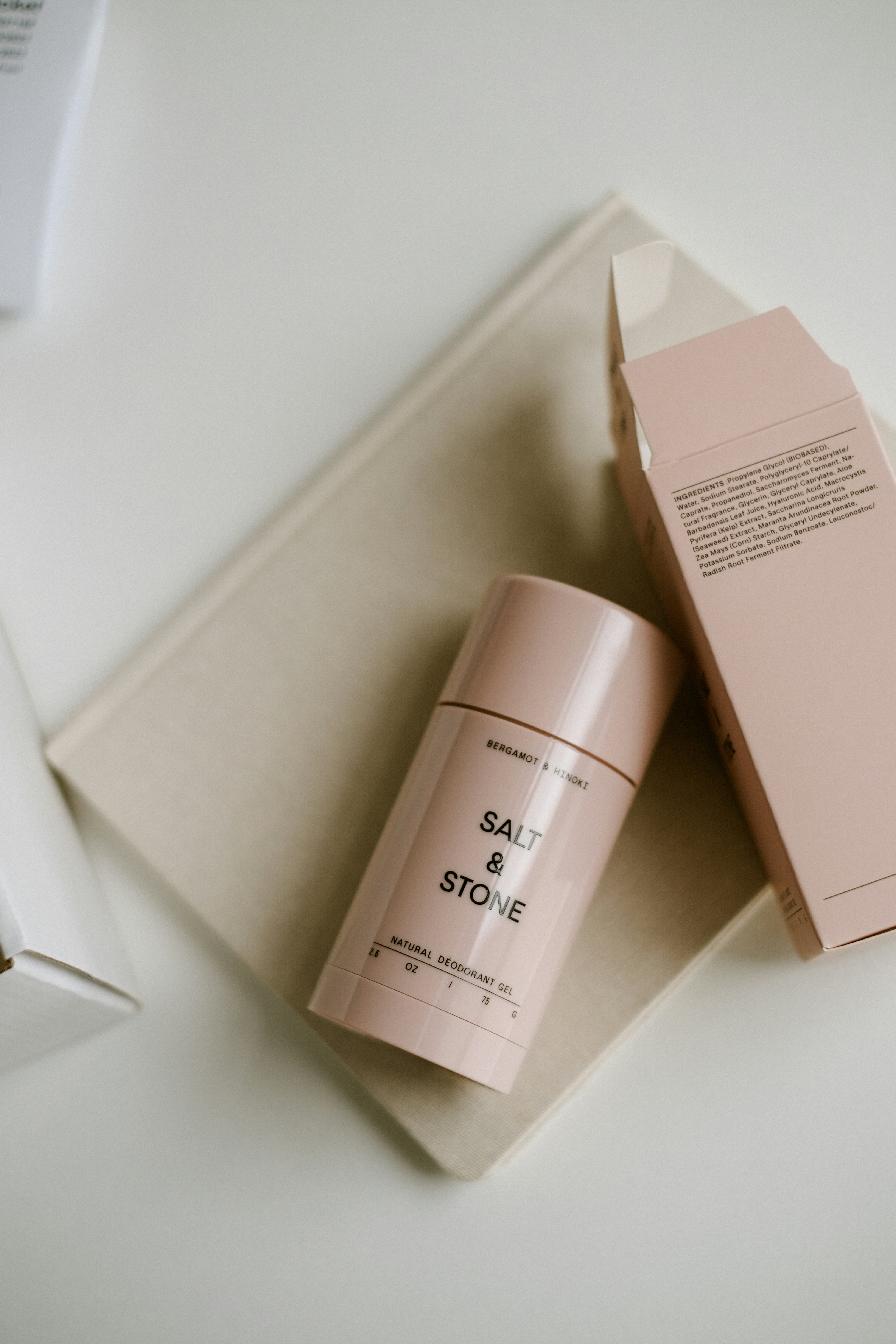
Introduction to Aluminium-Free Deodorants
Aluminium-free deodorants have gained significant attention in recent years, reflecting a growing trend among Australian consumers who are increasingly scrutinizing the ingredients in their personal care products. Unlike traditional deodorants and antiperspirants, which often contain aluminium salts to block sweat glands, aluminium-free alternatives focus on neutralizing odours without hindering the body’s natural perspiration process. The absence of aluminium in these formulations has led many individuals to consider them a safer option, promoting a more natural approach to body care.
Traditional antiperspirants work by creating a barrier that prevents sweat from escaping, which can sometimes lead to skin irritation and discomfort. Conversely, aluminium-free deodorants are designed to counteract body odour through the use of natural ingredients that can include baking soda, essential oils, and botanical extracts. This allows for perspiration to occur while simultaneously offering protection against unpleasant odours, appealing to those who prioritize both efficacy and skin health.
The rising awareness about the potential health implications of long-term aluminium exposure, alongside the desire for natural and non-toxic alternatives, has contributed to the increased popularity of aluminium-free deodorants in Australia. Many brands have capitalized on this trend by formulating products that emphasize organic and sustainably sourced components. This shift is not just about personal preferences; it signifies a broader movement towards clean Beauty and environmental consciousness. As a result, more individuals are opting for these products, aligning their choices with their health and ethical values.
With a diverse range of options available, aluminium-free deodorants cater to various preferences and skin types. Whether one is looking for a gentle formulation for sensitive skin or a robust solution for high activity levels, the market has adapted to meet these needs, further solidifying the popularity of natural deodorants in contemporary personal care routines.
Health Considerations: Understanding Aluminium and Your Body
Aluminium-based compounds have been a popular ingredient in traditional deodorants due to their efficacy in blocking sweat glands and reducing perspiration. These compounds function by forming a temporary gel that sits in the sweat glands, effectively curtailing the production of sweat. However, this mechanism raises several health concerns, particularly regarding long-term use and its associated risks. Researchers have increasingly explored the implications of aluminium exposure on human health, leading to growing interest in alternatives such as aluminium free deodorant in Australia.
One of the primary concerns surrounding aluminium is its potential linkage to breast cancer. Some studies suggest that aluminium can be absorbed through the skin and may act like estrogen, a hormone known to play a role in the growth of breast tumors. Yet, the evidence remains inconclusive, with research yielding mixed results. Regulatory bodies, including the American Cancer Society, state that there is currently no definitive scientific evidence establishing a direct connection between aluminium in deodorants and breast cancer.
Moreover, long-term exposure to aluminium has been studied in relation to neurological conditions, including Alzheimer’s disease. While some investigations have indicated a potential correlation between high aluminium concentrations and Alzheimer’s pathology, the findings are far from definitive, with many experts asserting that more research is necessary to draw firm conclusions. Individuals worried about these health implications have started seeking alternatives, leading to an increased demand for natural deodorant options free of aluminium.
In light of these health considerations, it is essential to weigh the potential risks associated with aluminium-based products against the benefits they provide. The prevalence of aluminium in traditional products calls for informed choices about personal care, encouraging consumers to explore the myriad of aluminium free deodorant options available in Australia, thereby prioritizing their health and well-being.
Environmental Impact: Making Sustainable Choices
The increased awareness surrounding personal care products has led to significant interest in aluminium-free deodorant in Australia. This shift is not just about health; it also involves environmental considerations that are increasingly becoming paramount for consumers. Traditional deodorants often contain harmful chemicals and are typically packaged in plastic, contributing to a larger environmental footprint. In contrast, many natural deodorants are designed with sustainability in mind, utilizing eco-friendly packaging and ingredients sourced from renewable resources.
Natural deodorants have been formulated without aluminium and other synthetic compounds, reducing the risk of chemical runoff that can damage local ecosystems. The conventional deodorant industry is notorious for its dependence on single-use plastics. This reality means that a significant number of these products, after being used, contribute to the growing plastic pollution crisis facing our planet. By opting for aluminium-free options, individuals actively participate in reducing plastic waste. Many brands now offer their products in recyclable, biodegradable, or reusable packaging, further reinforcing the importance of sustainable choices.
Moreover, the ingredients used in aluminium-free deodorants typically have a lower environmental impact. Common components include baking soda, arrowroot powder, and shea butter, which are not only effective but also biodegradable. By supporting products that prioritize natural materials, consumers can help cultivate an industry trend towards ecologically responsible practices. This is particularly relevant in Australia, where unique ecosystems are often vulnerable to the effects of pollution and climate change. Using aluminium-free deodorants contributes not only to personal well-being but also supports the larger cause of environmental conservation.
In conclusion, making the switch to aluminium-free deodorant can significantly lessen one’s environmental impact. Choosing natural deodorants packaged sustainably is a straightforward yet effective way to engage in environmentally conscious consumerism, promoting a healthier planet for current and future generations.
Skin Health: Benefits for Sensitive Skin
Aluminium-free deodorants have garnered significant attention in recent years, particularly within Australia, as consumers become increasingly conscious of the ingredients in personal care products. One of the primary benefits of these natural deodorants is their gentleness on the skin, which makes them an ideal choice for those with sensitive skin or conditions such as eczema. Traditional deodorants often contain synthetic ingredients and aluminum compounds that may irritate the skin or exacerbate existing conditions. In contrast, aluminium-free options prioritize mild and natural ingredients, which can lead to better skin health over time.
Many users have reported a significant reduction in skin irritations and reactions after switching to aluminium-free deodorants. Ingredients such as baking soda, arrowroot powder, and essential oils are common in these natural formulations, promoting odour control without the harsh effects associated with chemicals. For instance, someone with sensitive skin may experience redness or rashes from conventional products. However, after transitioning to an aluminium-free deodorant, they often find their skin feels calmer and less inflamed. This shift underscores why many individuals choose aluminium-free deodorant in Australia.
Studies and testimonials demonstrate that the transition to natural deodorants can yield positive results for skin health. Research indicates that users notice fewer irritations and improved overall skin tone after substituting synthetic deodorants for aluminum-free alternatives. Furthermore, individuals with eczema or other dermatological concerns express satisfaction with their ability to manage body odour without compromising their skin’s integrity. As awareness grows regarding the benefits of natural ingredients, it is evident that aluminium-free deodorants play a significant role in enhancing skin health, making them a prominent choice for many in Australia.
Natural Ingredients: What to Look For
When it comes to choosing an aluminium-free deodorant in Australia, understanding the natural ingredients is crucial. Many individuals are becoming increasingly discerning about what they apply to their skin, particularly in sensitive areas like the underarms. Aluminium-free deodorants offer a range of natural alternatives that can provide effective odour control without the potential health risks associated with aluminium compounds.
One common ingredient found in natural deodorants is baking soda. Known for its ability to neutralize odours, it acts as a natural antacid, helping to combat the bacteria responsible for body odour. Another popular component is arrowroot powder, which is highly absorbent and helps to keep the skin dry without clogging pores. Both of these ingredients are widely appreciated in the formulation of natural deodorant products available in the Australian market.
Essential oils are also prevalent in many aluminium-free deodorants. Oils such as lavender, tea tree, and eucalyptus not only provide a pleasant fragrance but also possess antibacterial properties, further enhancing their effectiveness in odour control. It is important for consumers to check labels for the presence of pure essential oils, as some products may contain synthetic fragrances that can irritate sensitive skin.
Shea butter is another beneficial ingredient often included in these natural formulations. Its moisturizing properties help to soothe and nourish the skin, which can be particularly advantageous for individuals prone to irritation from conventional deodorants. However, it is essential to be aware of personal sensitivities, as some may experience irritation from certain natural components such as baking soda. Therefore, reading labels carefully and being informed about the ingredients will aid consumers in making informed choices when selecting a natural deodorant that suits their needs.
Cultural Shift: The Movement Towards Natural Products in Australia
In recent years, Australia has witnessed a significant cultural shift towards natural products, particularly in personal care. This movement has been fueled by a growing awareness of health, environmental issues, and the desire for clean, non-toxic alternatives, such as aluminium-free deodorants. This has marked a notable change in consumer preferences, revealing that many Australians are now inclined to choose products made from natural ingredients over conventional options that may contain synthetic chemicals.
Social media has played a pivotal role in driving this trend. Platforms like Instagram and TikTok have given rise to influencers who advocate for sustainable living and promote the benefits of using natural products. These influencers have effectively engaged their audiences, creating a community that values transparency in product sourcing and manufacturing processes. As the conversation surrounding personal care products expands, many individuals are more conscious of what they apply to their skin. Surveys indicate that a substantial percentage of Australian consumers are now actively seeking out natural deodorants, preferring aluminium-free options that align with their health and ethical values.
Moreover, increasing environmental awareness contributes to this cultural shift. Many Australians are becoming more educated about the impacts of their purchasing decisions on the environment. The desire to reduce waste and promote sustainability has propelled many consumers to opt for natural deodorants that often come in eco-friendly packaging and contain biodegradable ingredients. As a result, brands are responding to this demand by reformulating their products to cater to health-conscious consumers. This transition not only reflects a change in preferences but also signifies a broader awareness of self-care that encompasses well-being and environmental responsibility.
As the movement towards natural products continues to gain momentum, it is evident that the landscape of personal care in Australia is evolving, leading to increased availability and popularity of aluminium-free deodorants and other natural products.
Choosing the Right Aluminium-Free Deodorant for You
Selecting the ideal aluminium-free deodorant can be a personalized journey, largely influenced by individual needs and preferences. With a growing range of natural deodorants available in Australia, understanding how to choose the right product becomes essential for effective use. One of the first factors to consider is the fragrance option. Natural deodorants often come in a variety of scents derived from essential oils, which can offer pleasing aromas while being free from synthetic fragrances. Consider what appeals to you personally; some may prefer invigorating citrus notes, while others might lean towards calming floral scents.
Application method is another critical aspect to assess when choosing a natural deodorant. Options typically include stick, cream, and roll-on formats. Stick deodorants are known for their convenience and ease of use, while creams may offer a more hydrating experience. Roll-on types can provide precise application, which may be preferred by some individuals. It is advisable to experiment with different textures to find the option that feels most comfortable on your skin.
Furthermore, personal lifestyle considerations play a significant role in deodorant selection. For individuals engaged in high levels of physical activity or living in warm climates, selecting a long-lasting product designed for extra protection may be crucial. Look for aluminium-free deodorants that highlight their sweat absorption capabilities, as this feature can provide a sense of freshness throughout the day. Also, consider any sensitivities your skin may have, as some natural ingredients might cause irritation for certain individuals. By assessing these factors, you can find a suitable aluminium-free deodorant that aligns with your lifestyle and skin type, ensuring optimal comfort and effectiveness.
Challenges with Aluminium-Free Deodorants
While the rising popularity of aluminium-free deodorants in Australia highlights a growing preference for natural alternatives, users may encounter certain challenges when transitioning from traditional options. One primary concern revolves around the differences in effectiveness related to odor and moisture control. Traditional deodorants often contain aluminum compounds designed to block sweat glands, a feature absent in their aluminium-free counterparts. As a result, individuals may initially experience heightened perspiration or odor as their bodies adjust to the change.
The transition period from conventional deodorants to natural deodorants can vary significantly among users. Some individuals might adapt quickly, while others may notice prolonged adjustments characterized by increased body odor or noticeable dampness. This can be particularly disheartening for those accustomed to the immediate effectiveness of traditional products. It is essential for new users to have realistic expectations and be aware that their bodies may need time to recalibrate. Some brands offer transition formulas that aid in this adjustment, helping to mitigate the challenges.
Finding the right aluminium-free deodorant in Australia is crucial. Due to the diverse range of formulations available, individuals may need to experiment with various products to discover one that meets their personal needs. Factors such as skin type, body chemistry, and lifestyle play critical roles in determining a natural deodorant’s effectiveness. Some products may incorporate essential oils, baking soda, or other natural ingredients that can provide varying degrees of effectiveness. Therefore, it is advisable to read reviews, seek recommendations, and, if possible, sample different formulations before committing to a full-sized product.
In conclusion, while there are challenges associated with switching to aluminium-free deodorants, many individuals find these obstacles manageable by understanding and navigating their unique needs and preferences.
Conclusion: Embracing Change for a Healthier Future
The shift towards aluminium-free deodorants in Australia encapsulates a growing awareness of personal health and environmental responsibility. By opting for natural deodorants, consumers can greatly reduce their exposure to potentially harmful aluminium compounds that may result in skin irritation and other health concerns. These alternative products often feature skin-friendly ingredients derived from nature, which can offer a gentler option for all skin types, especially those prone to sensitivity.
Moreover, the ecological impact of traditional deodorants cannot be overlooked. Many aluminium-based products are housed in non-biodegradable packaging, contributing to the planet’s waste problem. In contrast, the production and packaging of aluminium-free deodorants tend to seek eco-friendly solutions, thereby aligning with the sustainable lifestyle many individuals are trying to adopt. This conscious choice not only supports personal well-being but also fosters a healthier environment for future generations.
Choosing an aluminium-free deodorant also instills a broader understanding of body care. Consumers are encouraged to familiarize themselves with the ingredients in their personal care products, which fosters informed decision-making and promotes a lifestyle grounded in wellness. As individuals embrace these new habits in their daily routines, they take significant steps towards achieving their health goals. By switching to natural deodorants, Australians can enjoy the same effectiveness as traditional options while prioritizing their health, skin comfort, and ecological impact.
Ultimately, the movement towards aluminium-free deodorant represents a positive change that extends beyond personal benefits, inviting a collective commitment to healthier living and sustainable choices. The transition encourages Australians to embrace these products as part of a more conscious, holistic lifestyle, paving the way for a healthier future for themselves and the environment.