
Understanding Hair Types and Conditions
To determine how often one should wash their hair, it is crucial to understand the different hair types and conditions. Hair can generally be categorized into four main types: straight, wavy, curly, and coily. Each type exhibits distinct characteristics that affect its texture, volume, and overall appearance. For instance, straight hair tends to accumulate oil more rapidly than curly hair, which can lead to different washing frequency requirements.
In addition to hair types, the condition of the hair also plays a significant role in establishing a proper washing routine. Hair can be oily, dry, or normal, and each condition presents unique challenges. Oily hair may require more frequent washing to maintain a clean and fresh appearance as excess sebum can weigh down the hair, leading to a greasy look. Conversely, those with dry hair might benefit from washing less frequently, as overwashing can strip natural oils, exacerbating dryness and leading to breakage.
Moreover, scalp health should not be overlooked. An unhealthy scalp can contribute to various hair issues, making it essential to consider when determining a washing schedule. Factors such as dandruff, sensitivity, and irritation may necessitate gentle and infrequent washing with hydrating products that suit one’s specific scalp condition. Additionally, hair texture influences how products adhere and how often cleansing is required. For example, coily hair often requires more moisture and less washing to maintain its shape and prevent frizz.
Tailoring one’s Hair Care routine to individual needs and mixing these considerations together ensures that washing frequency aligns with both hair type and condition, resulting in healthier and more manageable hair.
The Impact of the Australian Climate on Hair Care
The diverse Australian climate significantly impacts hair health and the frequency with which one should wash their hair. From the tropical conditions of the northern regions to the cooler climates in the southern areas, each environment presents unique challenges for hair care. Humidity levels in tropical regions can be exceedingly high, leading to increased sweat and oil production. As a result, individuals living in these areas may find themselves needing to wash their hair more frequently to maintain a clean and fresh appearance.
In contrast, southern regions may experience lower humidity levels, particularly during the winter months. This can lead to drier hair and scalp, making it essential to balance cleanliness with the need for natural oils. In such climates, washing hair too frequently can strip away these vital oils, leading to dryness and potential damage. Therefore, residents in cooler climates might benefit from extended time between washes, allowing their hair’s natural moisture to replenish.
Environmental factors also play a crucial role in hair care. In locations where sun exposure is significant, such as Australia’s beaches, hair can become dehydrated and brittle due to UV radiation. Furthermore, activities like swimming in chlorinated pools or salty ocean water can exacerbate this damage, necessitating more regular cleansing to remove residues that can build up over time. A balanced approach considering cleansing frequency is vital; while washing may be necessary after sun or swim exposure, over-washing could lead to other hair issues.
Ultimately, understanding the influence of Australia’s varied climate on hair can inform one’s hair care routine. By considering local conditions, individuals can tailor their hair washing schedules for optimal hair health.
Expert Recommendations on Washing Frequency
The frequency of hair washing can significantly impact the health and appearance of one’s hair. Experts and dermatologists emphasize that washing hair too frequently can strip it of its natural oils, leading to dryness, brittleness, and potential scalp issues. Conversely, infrequent washing can cause an accumulation of oils, dirt, and product buildup, affecting the hair’s appearance and hygiene. Understanding the right balance is crucial, especially in the context of the Australian climate, which can vary dramatically across regions.
For individuals with oily hair types, dermatologists often recommend washing every other day. This frequency aids in managing excess oil without causing over-drying, which can trigger the scalp to produce more sebum. Conversely, those with dry or curly hair may benefit from washing once or twice a week. The unique structure of curly hair can make it more prone to dryness; thus, less frequent washing helps retain essential moisture and maintain curl definition.
In Australia’s humid regions, such as the tropical north, individuals may feel the need to wash their hair more often due to sweat and humidity. Here, washing every day or every other day can be appropriate. However, it is crucial to use a gentle, sulfate-free shampoo that won’t further deplete essential moisture. On the other hand, in drier climates, such as the arid outback, a weekly washing routine, paired with scalp treatments, can support hair health without unnecessary washing.
For active individuals, such as those who engage in regular exercise, washing hair after workouts might be necessary, regardless of hair type. Yet, experts recommend alternating with rinses using water or conditioner to avoid the harsh effects of daily shampooing. Ultimately, personal preference, hair type, and lifestyle choices will dictate the ideal washing frequency. Consistently consulting with hair care professionals can provide tailored advice, ensuring that individuals maintain healthy hair, regardless of their circumstances.
Common Mistakes When Washing Hair
Washing hair appears to be a straightforward task; however, many individuals fall into certain pitfalls that can jeopardize hair health. One of the most common mistakes is using the wrong products. Selecting a shampoo that does not align with one’s hair type can lead to a myriad of issues including excessive dryness or greasiness. For instance, individuals with oily hair should opt for clarifying shampoos, while those with dry hair might benefit from moisturizing formulations. It is essential to choose products that cater to specific hair needs to ensure optimal results.
Another frequent error is excessive washing. Frequent shampooing strips the hair of its natural oils, which can lead to a dehydrated scalp and brittle strands. In Australia’s unique climate, where humidity levels can fluctuate dramatically, determining the right washing frequency is crucial. While some may feel the need to wash their hair daily due to sweat or environmental pollutants, most experts suggest an interval ranging from two to four times per week for maintaining healthy hair.
Incorrect washing techniques also contribute to poor hair health. Many individuals are unaware of the importance of the washing process itself. Rubbing the hair vigorously causes damage and split ends. Instead, gently massaging the shampoo into the scalp using circular motions can promote circulation without harming the hair. Additionally, it is vital to apply conditioner only to the mid-lengths and ends of the hair, as applying it to the roots can lead to increased oiliness. By avoiding these common mistakes, individuals can take significant steps toward healthier hair while adapting their hair care routine to suit the Australian climate.
The Role of Hair Products and Ingredients
The importance of selecting appropriate hair products cannot be overstated, particularly in the context of the Australian climate, which can range from arid to humid. Different individuals have varying hair types—be it oily, dry, curly, or straight—which necessitates a tailored approach when it comes to hair care. Understanding how specific ingredients in shampoos and conditioners interact with one’s unique hair type is crucial for maintaining optimal hair health.
For instance, individuals with oily hair may benefit from shampoos formulated with clarifying ingredients such as tea tree oil or eucalyptus. These components not only cleanse but also help reduce excess oil and build-up, thereby extending the time between washes. Conversely, those with dry or curly hair should prioritize moisture-rich formulations that contain hydrating ingredients like argan oil, shea butter, or glycerin. These elements work to nourish and moisturize the hair, which can significantly improve texture and elasticity while reducing the need for frequent washing.
Another important consideration is the presence of sulfates in hair products. Sulfates are detergents commonly found in many shampoos due to their effectiveness in removing dirt and product buildup. However, they can also strip natural oils from the hair, leading to dryness and potential damage, particularly in the harsh Australian sun. Therefore, individuals who wash their hair frequently might want to consider sulfate-free alternatives that cleanse gently without compromising moisture levels.
Moreover, ingredients such as silicones, while providing shine and smoothness, can accumulate over time and necessitate more frequent washing. On the other hand, natural oils and botanical extracts often promote scalp health and can facilitate longer intervals between washes. Selecting the right hair care products based on both hair type and environmental considerations allows individuals to maintain healthy hair, ultimately influencing their washing practices.
Tips for Maintaining Hair Health Between Washes
Maintaining hair health between washes is crucial for individuals, particularly for those living in the challenging Australian climate. One efficient way to extend the life of your hairstyle and reduce oiliness is by incorporating dry shampoo into your routine. This convenient product absorbs excess oil and offers volume, allowing your hair to appear fresh without the need for frequent washing. Simply spray or sprinkle the dry shampoo onto the roots, wait a moment, and then brush through for even distribution. This method can significantly stretch the intervals between washes while also enhancing texture.
Another important aspect of hair maintenance is minimizing heat styling. Tools such as flat irons, curling wands, and blow dryers can lead to damage and dryness over time. Whenever possible, opt for air-drying or embrace natural styles that require minimal tools. If heat styling is necessary, consider using a heat protectant spray to shield your strands from damage. Furthermore, setting your styling tools to lower temperatures can help preserve the integrity of your hair while still achieving your desired looks.
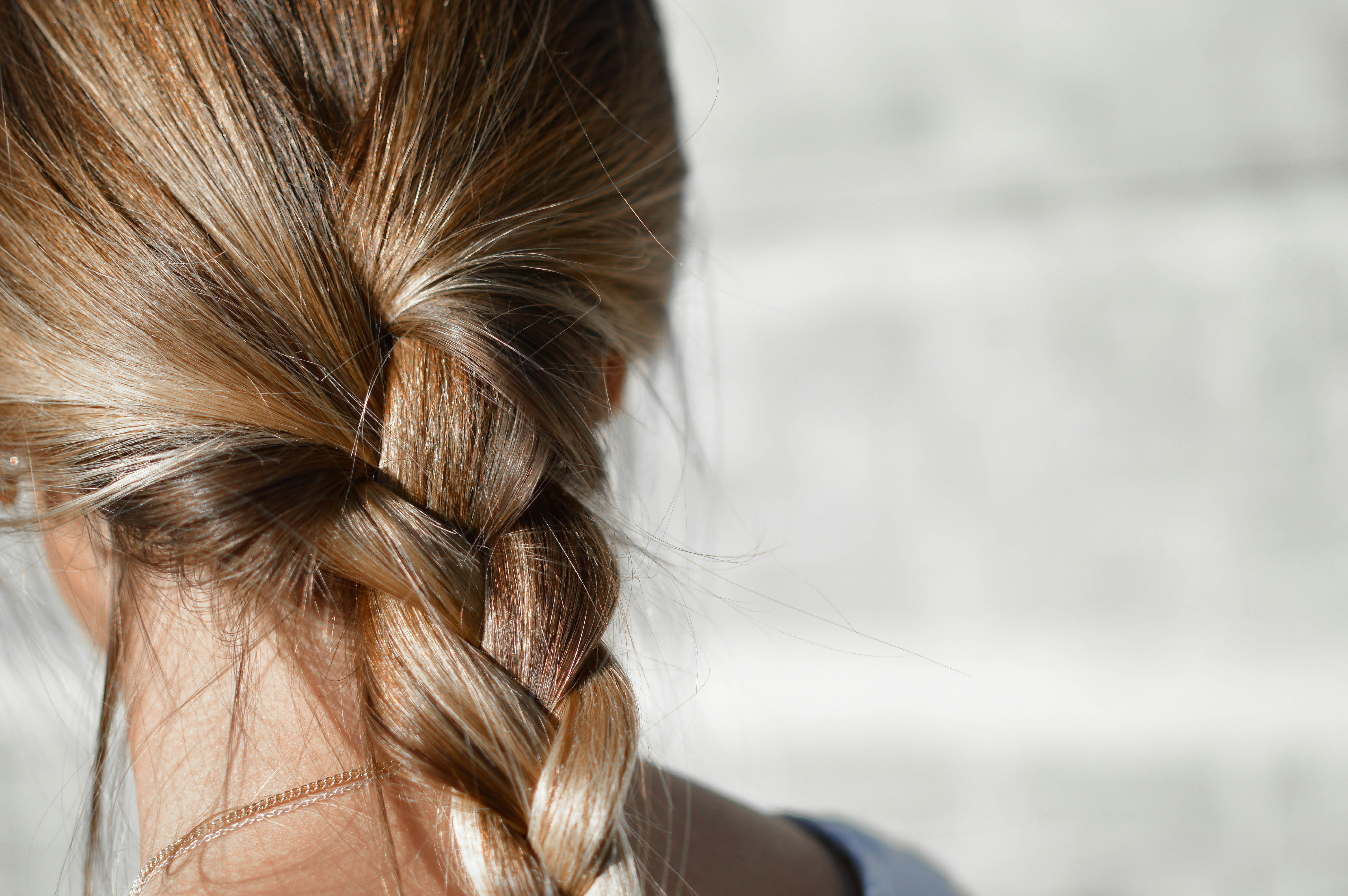
Incorporating protective hairstyles can also be immensely beneficial. These styles, such as braids, buns, or twists, can reduce manipulation and exposure to environmental stressors, which can leave hair brittle and damaged. Protective styles not only help in maintaining the health of your hair between washes but can also be aesthetically pleasing and versatile. Additionally, using a silk or satin scarf or pillowcase while sleeping can minimize friction and help prevent breakage during the night.
By utilizing these practical tips and adapting your hair care routine, you can successfully maintain your hair health without the necessity of frequent washes. These strategies will not only help your hair look its best but will also contribute significantly to its overall vitality.
Conclusion: Finding Your Personal Hair Washing Rhythm
Determining the appropriate frequency for washing your hair is crucial for maintaining healthy locks, and it varies significantly based on individual hair types, scalp conditions, and the environmental factors specific to the Australian climate. For those with oily hair, more frequent washing may be beneficial, while individuals with dry or curly hair might find that washing less often retains moisture and prevents damage. The unique conditions in Australia, such as arid weather in most regions and UV exposure, can further influence your hair care regimen.
As discussed, integrating the right products tailored to your hair type is essential. Consider a gentle shampoo that suits your specific needs, as well as a suitable conditioner to keep your strands moisturized. The combination of these products with your washing frequency is likely to yield the best results. It is also worth noting that other factors, such as lifestyle, activity levels, and personal preferences, should shape your washing schedule.
It is recommended to approach your hair washing routine with flexibility. Experimentation may be necessary to discover a balance that promotes both scalp health and hair vitality. Observing how your hair reacts over time can lead you to a more personalized approach that ultimately enhances your overall hair appearance. Do not hesitate to seek professional guidance, as hair care specialists can offer insights tailored to your individual circumstances, particularly in relation to the impact of the Australian climate.
Ultimately, finding your unique hair washing rhythm is about cultivating a routine that respects your hair’s natural characteristics while adapting to external variables. With patience and care, you will be able to achieve optimal health and aesthetics for your hair.