
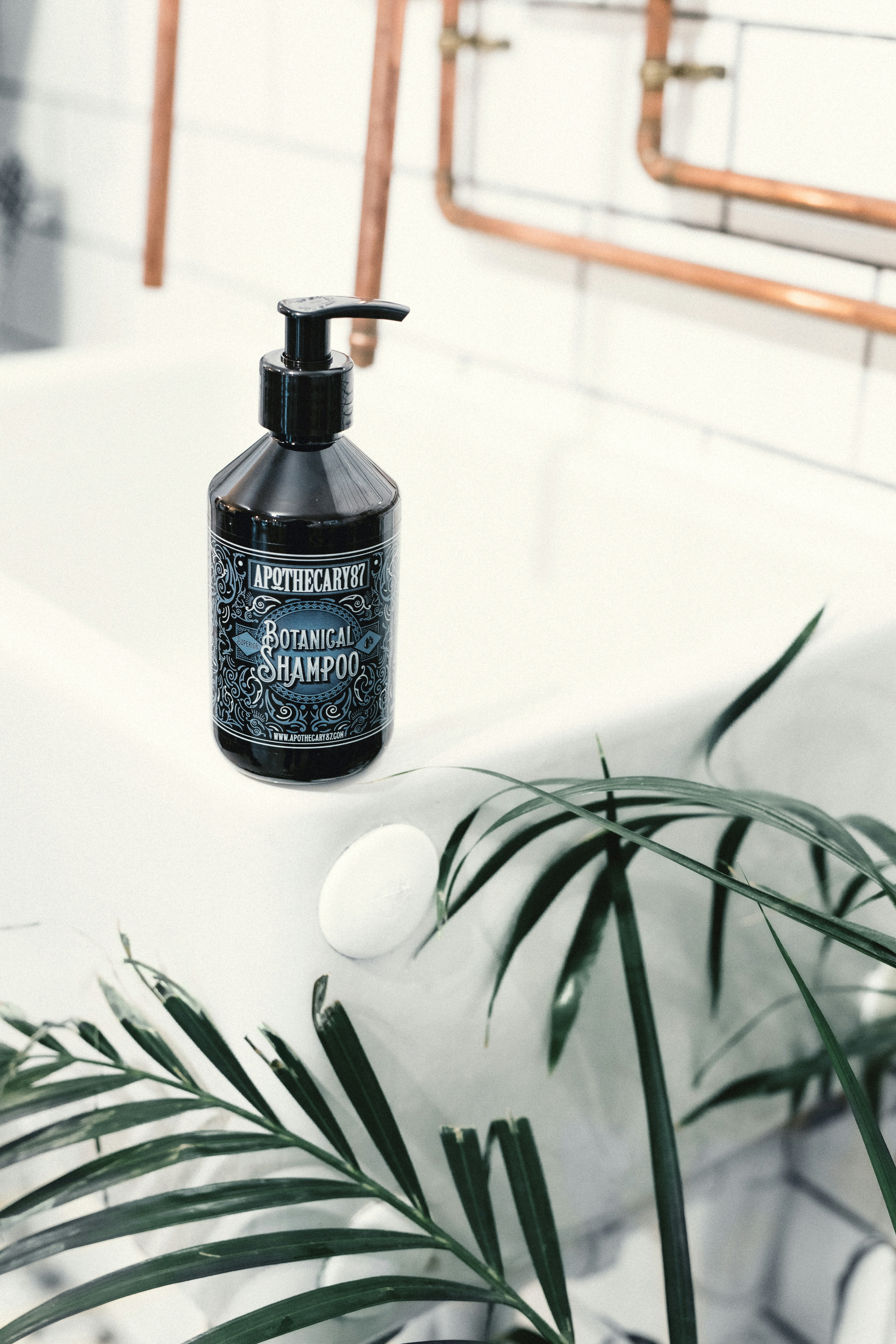
Introduction to Natural Shampoos
In recent years, there has been a notable shift in consumer preferences towards natural shampoos as individuals increasingly seek alternatives to synthetic hair care products. Natural shampoos are formulated using ingredients derived from plants and minerals, which significantly differ from conventional shampoos that often contain harsh chemicals. This transition towards using natural ingredients reflects a broader movement towards holistic and eco-friendly lifestyles.
One of the most compelling benefits of natural shampoos is their absence of potentially harmful substances such as sulfates, parabens, and synthetic fragrances. Many conventional shampoos can strip the hair and scalp of their natural oils, leading to dryness and irritation. In contrast, natural shampoos often contain nourishing components such as essential oils, herbal extracts, and botanical proteins. These ingredients help maintain the health of the hair while providing moisture, enhancing shine, and promoting overall scalp health.
The environmental implications of selecting natural shampoos also contribute to their growing popularity. As consumers become more aware of the environmental impact of synthetic products and the microplastics they often contain, opting for natural formulations that use biodegradable ingredients is seen as a responsible choice. Moreover, many brands focused on natural shampoos emphasize sustainable sourcing and environmentally friendly packaging, further appealing to eco-conscious consumers.
Natural shampoos are suitable for a variety of hair types, from curly to straight and everything in between. This versatility makes them a preferred option for individuals seeking personalized hair care solutions. Ultimately, the increasing demand for natural shampoos reflects a significant change in consumer awareness regarding the ingredients they apply to their hair and scalp, leading to healthier choices for both personal well-being and the planet.
What to Look for in a Natural Shampoo
When selecting a natural shampoo, understanding the ingredients and their origins is crucial. Transparency in labeling allows consumers to make informed choices. Always check for a comprehensive ingredient list that clearly outlines what is included, as well as any potential allergens. Natural shampoos should primarily comprise botanical extracts, essential oils, and other plant-based components that contribute to hair health while steering clear of harsh chemicals.
Organic certifications, such as USDA Organic or other reputable labels, can serve as reliable indicators of quality. These certifications ensure that the product meets specific organic standards, with minimal processing and no synthetic additives, making it a safer option for both the consumer and the environment. Choosing shampoos with certified organic ingredients can significantly enhance hair vitality and scalp health.
Another important factor is the nature of the fragrance used in the shampoo. Many natural shampoos incorporate essential oils for fragrance, which not only provide a pleasant scent but also contribute additional therapeutic benefits. Avoid products that list synthetic fragrances, as they may contain unregulated chemicals that could irritate the skin or compromise hair quality.
The absence of sulfates and parabens is a significant consideration when evaluating natural shampoos. Sulfates, often derived from petroleum, can strip hair of its natural oils, leading to dryness and damage. Parabens, used as preservatives, may disrupt hormonal balance. Therefore, selecting shampoos free from these ingredients is vital to maintaining healthy, shiny hair.
Lastly, it is essential to consider the specific formulation tailored for different hair types—be it oily, dry, or color-treated. Each hair type may require a unique blend of ingredients to address its specific needs. Understanding these variations will enable consumers to choose the right natural shampoo that aligns with their hair care objectives.
Top 10 Natural Shampoos Reviewed
Choosing the right natural shampoo can significantly impact the health and appearance of your hair. Below is a detailed review of ten standout natural shampoos that cater to various hair types and preferences, reflecting their primary ingredients, benefits, unique selling points, and suitable audiences.
1. SheaMoisture Coconut & Hibiscus Curl & Shine Shampoo – This sulfate-free shampoo is ideal for curly hair, enriched with coconut oil and hibiscus flower extract. Its unique formula nourishes curls while reducing frizz, leaving hair shiny and manageable. However, it may weigh down fine hair.
2. Avalon Organics Lavender Nourishing Shampoo – Formulated with organic lavender and aloe vera, this shampoo is perfect for those seeking a soothing and aromatic experience. It gently cleanses while nourishing the scalp. Though it is great for dry hair, some users may find it less effective in removing product buildup.
3. Acure Curiously Clarifying Shampoo – This shampoo features lemon and grapefruit as its star ingredients, targeting those with dull hair needing a refresh. It effectively clarifies without stripping moisture. However, individuals with sensitive scalps might find it slightly irritating.
4. John Masters Organics Lavender Rosemary Shampoo – Combining lavender and rosemary essential oils, this natural shampoo not only cleans but also stimulates hair growth. It is ideal for fine to normal hair. Yet, its premium price point may deter budget-conscious consumers.
5. Pura D’or Original Gold Label Shampoo – This herbal blend focuses on reducing hair thinning and promoting fullness. Containing biotin and argan oil, this shampoo is best for those experiencing hair loss. While effective, it may not suit untreated, color-treated hair.
6. Dr. Bronner’s Pure-Castile Liquid Soap – Renowned for its versatility, this 18-in-1 soap can function as a shampoo while being made with organic and fair-trade ingredients. This eco-friendly option suits a diverse audience, although it might require a conditioner for increased moisture.
7. Honest Company Shampoo + Body Wash – Designed for babies but effective for adults as well, this gentle formula is infused with natural ingredients like chamomile and plant-derived cleansers. Its mildness makes it suitable for sensitive skin, but it might not deliver enough lather for some users.
8. Rahua Classic Shampoo – Utilizing natural omega-9 rich rahua oil, this shampoo is perfect for revitalizing hair while preserving color and shine. Though it embodies eco-conscious values, it is on the pricier side.
9. 100% Pure Yuzu & Pomelo Glossing Shampoo – This unique shampoo incorporates yuzu and pomelo fruit extracts and is designed to enhance shine. It effectively cleanses and conditions but is primarily marketed toward those needing extra shine.
10. Ethique Eco-Friendly Shampoo Bar – As a plastic-free alternative, this solid shampoo bar caters to environmentally conscious consumers. It’s formulated with coconut oil and cocoa butter, suitable for all hair types. However, transitioning to a bar can require some adjustment for new users.
Each of these shampoos offers distinct advantages tailored to different hair types and concerns. By considering their ingredients and targeted benefits, consumers can make informed choices for healthier, shinier hair.
Benefits of Using Natural Shampoos
In recent years, there has been a significant shift towards using natural shampoos, primarily due to their numerous benefits for hair health. One of the most notable advantages of opting for natural shampoos is the promotion of healthier hair. Unlike conventional shampoos that often contain harsh chemicals, natural formulations utilize plant-based ingredients and essential oils that nurture the hair follicles and improve overall hair condition.
A vital component of this switch is the enhancement of shine. Natural shampoos typically contain nourishing ingredients such as coconut oil, argan oil, or aloe vera, which can add luster and vitality to dull hair. These ingredients do not strip the hair of its natural oils, but rather, they work harmoniously to provide moisture, leaving the hair looking and feeling vibrant.
Another compelling reason for using natural shampoo is the reduction of scalp irritation. Many individuals experience adverse reactions to synthetic fragrances and sulfates found in traditional hair care products. Natural shampoos are often free from these irritants, making them suitable for sensitive scalps. Expert opinions from dermatologists confirm that switching to gentle, natural ingredients can significantly minimize itching and inflammation, contributing to a more comfortable scalp environment.
Furthermore, natural shampoos can contribute to overall hair growth. The inclusion of botanical extracts and vitamins, such as biotin and panthenol, encourages stronger hair strands and promotes healthy hair growth. Testimonials from users often highlight remarkable improvements in their hair’s thickness and length after making the transition to natural solutions.
Overall, the shift to natural shampoos offers a holistic approach to hair care, resulting in healthier, shinier hair while minimizing potential damage to the scalp and promoting hair growth. As awareness of the benefits continues to increase, more individuals are embracing this natural alternative in their hair care routines.
How to Transition to Natural Shampoos
Transitioning to natural shampoos can initially be a challenging experience, particularly for individuals who have used conventional products laden with synthetic ingredients for an extended period. It is often accompanied by a transitional phase that may result in varying hair and scalp conditions. Understanding these changes is crucial to successfully adapting to natural alternatives.
During the initial transition, individuals may notice increased oiliness, dryness, or even product build-up. This is a normal reaction as the scalp recalibrates its natural oil production after being accustomed to chemical-laden products. It is advisable to be patient during this period, which can last anywhere from a few weeks to several months. Drinking adequate water, maintaining a balanced diet, and allowing your scalp the time it needs can significantly aid in this transition.
To effectively cleanse the scalp while using natural shampoos, consider incorporating some natural remedies. An apple cider vinegar rinse can help restore the scalp’s pH balance and remove impurities. Additionally, a baking soda paste can act as a gentle exfoliant, eliminating residue left from previous products. When using natural shampoos, ensure to use them in moderation; a small amount can often create enough lather to clean effectively.
Integrating other natural hair care products into your routine can enhance the overall results of your transition. Look for sulfate-free conditioners, hair oils, and scalp treatments made from organic ingredients. These products can provide added moisture and nourishment, promoting healthier, shinier hair. Furthermore, consider minimizing exposure to heat styling and chemical treatments during the transition, as these can undermine the beneficial effects of switching to natural shampoos.
By understanding what to expect and following these tips, individuals can navigate the transition to natural shampoos more smoothly, resulting in stronger, healthier hair in the long run.
Common Myths About Natural Shampoos
Natural shampoos have gained significant popularity in recent years, yet several misconceptions persist around their use and effectiveness. One common myth is that natural shampoos are less effective than their synthetic counterparts. While it is true that natural formulations may not contain harsh chemicals, they are specifically designed to cleanse the hair and scalp using plant-derived ingredients. These ingredients can be equally, if not more effective, at removing dirt and oils while promoting hair health, making them a viable alternative for those seeking gentler options.
Another frequent misconception is that natural shampoos do not lather well. In reality, the lathering ability of a shampoo is largely influenced by its surfactants—the compounds that help with cleansing. Many natural shampoos use gentle, biodegradable surfactants derived from coconut or other natural sources, which can create a satisfying lather while maintaining the integrity of the hair and scalp. It is important to note that the absence of excess foam does not equate to insufficient cleaning; rather, it often indicates a formulation focused on nurturing hair without unnecessary chemicals.
Moreover, there is a belief that natural shampoos are not suitable for all hair types. Contrary to this notion, there are numerous natural shampoos tailored to meet the unique needs of various hair types—be it oily, dry, or colored hair. The diversity among natural formulations ensures that individuals can find an option compatible with their specific hair care requirements. By selecting ingredients that focus on individual concerns, users can experience enhanced hair health with natural preparations.
In essence, dispelling these myths is essential for consumers to make informed choices regarding natural shampoos. A better understanding of the effectiveness, lathering capabilities, and compatibility of natural shampoos can empower individuals to achieve healthier, shinier hair using products aligned with their hair care goals.
Conclusion and Final Thoughts
In summary, the selection of the right shampoo plays a pivotal role in maintaining healthy, shiny hair. Natural shampoos have gained popularity due to their ability to nourish and rejuvenate hair without the harmful effects of synthetic ingredients. Throughout this Blog post, we highlighted the top 10 natural shampoos that are designed to cater to various hair types and needs. Each recommended product offers unique benefits, making it essential for readers to discern which option aligns with their personal hair care regimen.
The integration of natural ingredients such as aloe vera, essential oils, and botanical extracts not only enhances the health of the hair but also contributes to environmental sustainability. Readers are thus encouraged to reflect on the importance of using shampoos crafted from nature’s bounty, as these products promote not just personal well-being but also a greener planet.
As you consider the transition to natural hair care products, take time to assess your hair’s specific requirements and how different ingredients affect its condition. Experimenting with the recommended shampoos can provide insights into what works best for your hair, while also improving its overall appearance. We invite you to share your experiences and any additional recommendations with the wider community, fostering a dialogue around natural hair care. This exchange of knowledge can empower others who are on a similar journey towards healthier hair.
Ultimately, a conscious approach to shampoo selection can significantly improve your hair’s vitality and sheen. By opting for natural solutions, you are taking a positive step towards enhancing your hair health while promoting sustainable practices. It is time to embrace the benefits of natural shampoos and reap their rewards for a vibrant, healthier mane.