
Understanding the Importance of Hydration and SPF for Your Lips
The delicate skin of the lips is often overlooked in daily skincare routines, yet it plays a crucial role in overall facial aesthetics and comfort. The lips lack the same protective properties as other facial areas; they do not contain oil glands, leaving them particularly susceptible to dehydration and environmental damage. This vulnerability is exacerbated during the summer months, when sun exposure and higher temperatures can lead to dryness, cracking, and premature aging.
Hydration is essential for maintaining the softness and elasticity of the lips. When the lips are adequately hydrated, they appear plump and healthy, enhancing one’s natural Beauty. Conversely, dry and chapped lips can be uncomfortable and less appealing. Moreover, the condition of one’s lips can reflect overall health. Therefore, regular application of a hydrating lip balm is key to preventing irritation and maintaining physiological moisture levels.
In addition to hydration, sun protection is vital for lips, which can be easily damaged by ultraviolet (UV) radiation. The lack of melanin in the lips makes them particularly susceptible to sunburn and long-term skin damage, increasing the risk of conditions such as actinic cheilitis and even skin cancer. An effective lip balm should therefore include broad-spectrum sunscreen (SPF) to shield the lips from harmful rays, ensuring they remain healthy throughout the summer.
When selecting a lip balm, look for products that combine moisturizing ingredients—such as shea butter, coconut oil, or aloe vera—with SPF protection. A formula that offers both hydration and adequate sun protection is essential for keeping your lips comfortable and safe from the elements. By prioritizing these features, individuals can ensure their lips not only look good but also are well protected during the warm months.
Key Ingredients to Look for in a Hydrating Lip Balm
When choosing a hydrating lip balm with SPF, understanding the key ingredients is essential in ensuring effective moisture retention and sun protection. Among the most beneficial components are emollients, which help to soften and smooth the lips. Ingredients like shea butter and beeswax are popular for their ability to form a protective barrier on the skin, preventing moisture loss. Shea butter, derived from the nuts of the African shea tree, is rich in vitamins A and E, making it an excellent choice for deep hydration. Beeswax, a natural wax produced by honeybees, not only locks in moisture but also provides a natural protective layer against environmental factors.
In addition to emollients, humectants play a crucial role in a hydrating lip balm. Ingredients such as glycerin and aloe vera draw moisture from the air into the skin, contributing to lip hydration. Glycerin is particularly effective due to its ability to attract water molecules, ensuring your lips remain supple even in dry conditions. Aloe vera, well-known for its soothing properties, also aids in hydration while delivering additional vitamins and minerals.
Moreover, incorporating antioxidants can further enhance the efficacy of a lip balm. Ingredients like vitamin C and vitamin E protect the delicate skin on the lips from UV damage and environmental stressors. Antioxidants help neutralize free radicals, which can lead to premature aging and lip damage. Therefore, when choosing a hydrating lip balm, it’s imperative to read the ingredient list carefully, focusing on these key components that work synergistically to keep your lips hydrated and shielded from harmful rays.
SPF Ratings: What You Need to Know
Understanding SPF ratings is crucial for selecting a hydrating lip balm that effectively protects your lips from sun damage during the summer months. SPF, or Sun Protection Factor, indicates the level of protection a sunscreen provides against UVB rays, the primary cause of sunburn and skin cancer. When it comes to lip balms, choosing one with adequate SPF protection is essential, especially for those spending extended periods outdoors.
For effective sun protection on the lips, it is recommended to opt for lip balms with a minimum SPF of 15. This level of SPF can provide sufficient defense for short-term sun exposure. However, if you anticipate prolonged time under the sun, consider products with higher SPF ratings, ideally ranging from 30 to 50. Such levels can significantly reduce the risk of UV damage, making them ideal for beach days or outdoor activities.
It’s also important to acquaint yourself with the difference between physical and chemical sunscreens. Physical sunscreens, which contain active mineral ingredients like zinc oxide and titanium dioxide, create a barrier on the skin that reflects UV rays. This type of sunscreen is often recommended for sensitive skin, as it is less likely to cause irritation. On the other hand, chemical sunscreens absorb UV rays and convert them into heat, which is then released from the skin. While both types can be effective, the choice between them often depends on individual skin type and personal preference.
In addition to SPF ratings, consider the broad-spectrum label, which indicates protection against both UVA and UVB rays. By understanding these factors and choosing the right SPF protection, you can ensure that your lips remain hydrated and shielded from the sun’s harmful effects throughout the summer.
Identifying Your Lip Type and Unique Needs
When selecting a hydrating lip balm with SPF, it is crucial to first identify your specific lip type and the unique requirements that accompany it. Lips can vary significantly in condition, and understanding your own lip health can help you choose the best product to protect and nourish them throughout the summer. Common lip types include dry, sensitive, and chapped; each necessitates different care approaches.
For individuals with dry lips, it is essential to look for lip balms that contain deeply moisturizing ingredients such as shea butter, cocoa butter, or natural oils like coconut or jojoba oil. These components not only hydrate but also create a barrier that locks in moisture, helping to alleviate dryness. Additionally, selecting a hydrating lip balm with SPF will provide necessary protection against the sun’s harmful rays, which can exacerbate dryness.
On the other hand, those with sensitive lips should seek balms specifically formulated to minimize irritation. Ingredients such as aloe vera and calendula can be beneficial in soothing sensitivity. Opt for fragrance-free and hypoallergenic products to avoid allergic reactions, ensuring that your lip balm’s SPF does not compromise comfort.
For individuals suffering from chapped lips, exfoliation can also play a vital role in maintaining lip health. Products containing gentle exfoliating agents can help remove dead skin, allowing for better absorption of moisture. When selecting a lip balm, look for ones that contain both hydrating and exfoliating properties, coupled with sun protection to prevent future chapping caused by sun exposure.
Ultimately, an effective approach to identifying your lip type involves assessing the condition of your lips regularly. Pay attention to how they feel, especially during varying weather conditions, and tailor your choice of hydrating lip balm with SPF accordingly. Taking the time to understand your unique lip needs will help ensure your summer experiences are both comfortable and protected.
Evaluating Texture and Application Preferences
When selecting a hydrating lip balm with SPF for summer, considering the texture and application method is crucial for a satisfying user experience. Different types of lip balms offer unique textures that can significantly impact how one applies the product and how it feels on the lips. The primary forms available include stick, tube, and pot lip balms, each presenting distinct advantages and drawbacks.
Stick lip balms are often favored for their convenience and portability. They are easy to apply directly to the lips without the need for additional tools, making them an ideal choice for quick, on-the-go use. Additionally, stick formulations tend to provide a more controlled application, allowing users to target specific areas. However, some may find that stick balms can be less moisturizing than their counterparts, typically depending on the formulation.
Tube lip balms, conversely, often offer a smoother application and can provide a more luxurious feel. The squeeze tube design allows users to dispense the exact amount needed, reducing waste. This type of balm is ideal for those who enjoy a creamier texture and may prefer the ease of applying a layer of moisture over the lips. Nevertheless, tubes can sometimes be less hygienic if not stored properly, as lip balm can become contaminated with exposure to various elements.
Lastly, pot lip balms present a different experience altogether. They generally contain richer formulations, promoting deeper hydration, making them suitable for individuals with particularly dry lips. However, the need for finger application may deter users looking for a more convenient option. This texture preference can be dependent on one’s lifestyle; for instance, pot balms might be preferred for weekend relaxation, while sticks and tubes are better for busy weekdays.
Ultimately, evaluating personal preferences regarding texture and application will help guide the selection of a hydrating lip balm with SPF that fits seamlessly into your summer routine.
Tips for Application and Reapplication During Summer
Proper application and reapplication of lip balm with SPF are essential, especially during the hot, sun-filled days of summer. To maximize protection and maintain hydration, it is crucial to apply your lip balm before sun exposure. Ideally, you should apply the product at least 15 to 30 minutes before you venture outdoors. This allows the SPF to bind adequately to the lips, ensuring they are shielded from harmful UV rays. It is important to choose a lip balm with a broad-spectrum SPF for effective coverage against both UVA and UVB rays.
During summer, sweating and swimming can reduce the effectiveness of lip balm. Therefore, it is advisable to reapply your SPF lip balm every two hours, or more frequently if you have been in the water or are sweating excessively. After swimming, you should reapply your lip balm even if the product is labeled as waterproof. Moisture from swimming can wear away the protective barrier provided by your lip balm, necessitating timely reapplication to maintain optimal lip health.
In addition to regular application of hydrating lip balm, you can take further protective measures to ensure your lips remain safe from sun damage. Wearing a wide-brimmed hat provides additional shade and can help protect not only your lips but your face and neck as well. Another recommendation is to use a lip sunscreen when participating in prolonged outdoor activities, adding another layer of protection against the sun’s harmful rays. These practices, combined with proper application and reapplication, will help you enjoy your summer while keeping your lips soft, hydrated, and well-protected.
Top Recommended Products for 2023
As the summer of 2023 approaches, it is essential to protect your lips from harmful UV rays while maintaining their hydration. Below is a curated list of top-rated hydrating lip balms with SPF that are highly recommended for the sunny season. These products not only nourish your lips but also provide adequate sun protection, making them must-have items for your summer skincare routine.
1. SunBum SPF 30 Lip Balm – This lip balm features a rich blend of aloe, coconut oil, and vitamin E, ensuring both hydration and protection. With an SPF rating of 30, it is ideal for long outdoor activities. The creamy texture glides on smoothly and is priced around $3.99, making it an affordable choice.
2. Jack Black Intense Therapy Lip Balm SPF 25 – Known for its luxurious feel, this product contains shea butter and avocado oil, delivering an intense moisture boost. The SPF 25 formulation shields lips from damaging rays. Priced around $7.50, it is highly appreciated for its non-greasy texture and pleasant scents.
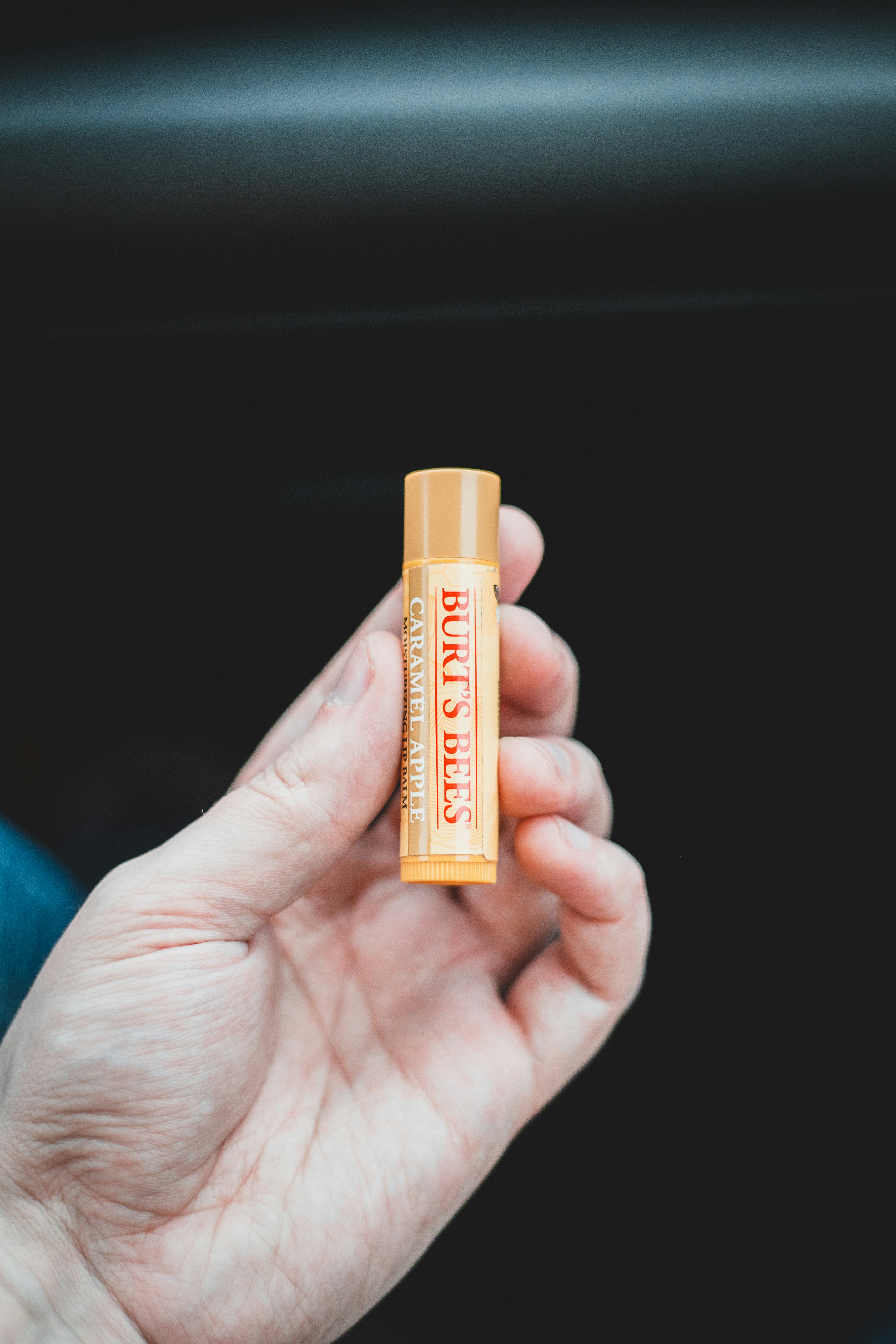
3. Burt’s Bees 100% Natural Origin Moisturizing Lip Balm SPF 15 – This lip balm combines natural ingredients like beeswax and sunflower oil to provide nourishing hydration. With an SPF rating of 15, it is suitable for casual outings. It typically retails for about $4.00, appealing to both eco-conscious consumers and budget shoppers.
4. NIVEA Sun Protect & Moisture Lip Balm SPF 30 – Formulated to protect and moisturize, this lip balm features a light texture that absorbs quickly. Its SPF 30 rating ensures effective sun defense, while the cost is around $4.50. Users appreciate its sleek packaging and easy application.
These recommended products offer a variety of options to suit different preferences, ensuring that everyone can find a suitable hydrating lip balm with SPF by the summer of 2023. Trying different products may help you discover what works best for your lip care needs.